Hoodoo, Rootwork, Conjure: What's the Difference?
People use these words interchangeably, but each one carries its own meaning.
People use these words interchangeably, but each one carries its own meaning.
Hoodoo is the umbrella term for the folk spiritual tradition that grew out of African American communities in the American South. It blends West and Central African spiritual practices with Indigenous plant knowledge and, later, Christian imagery like the Psalms.
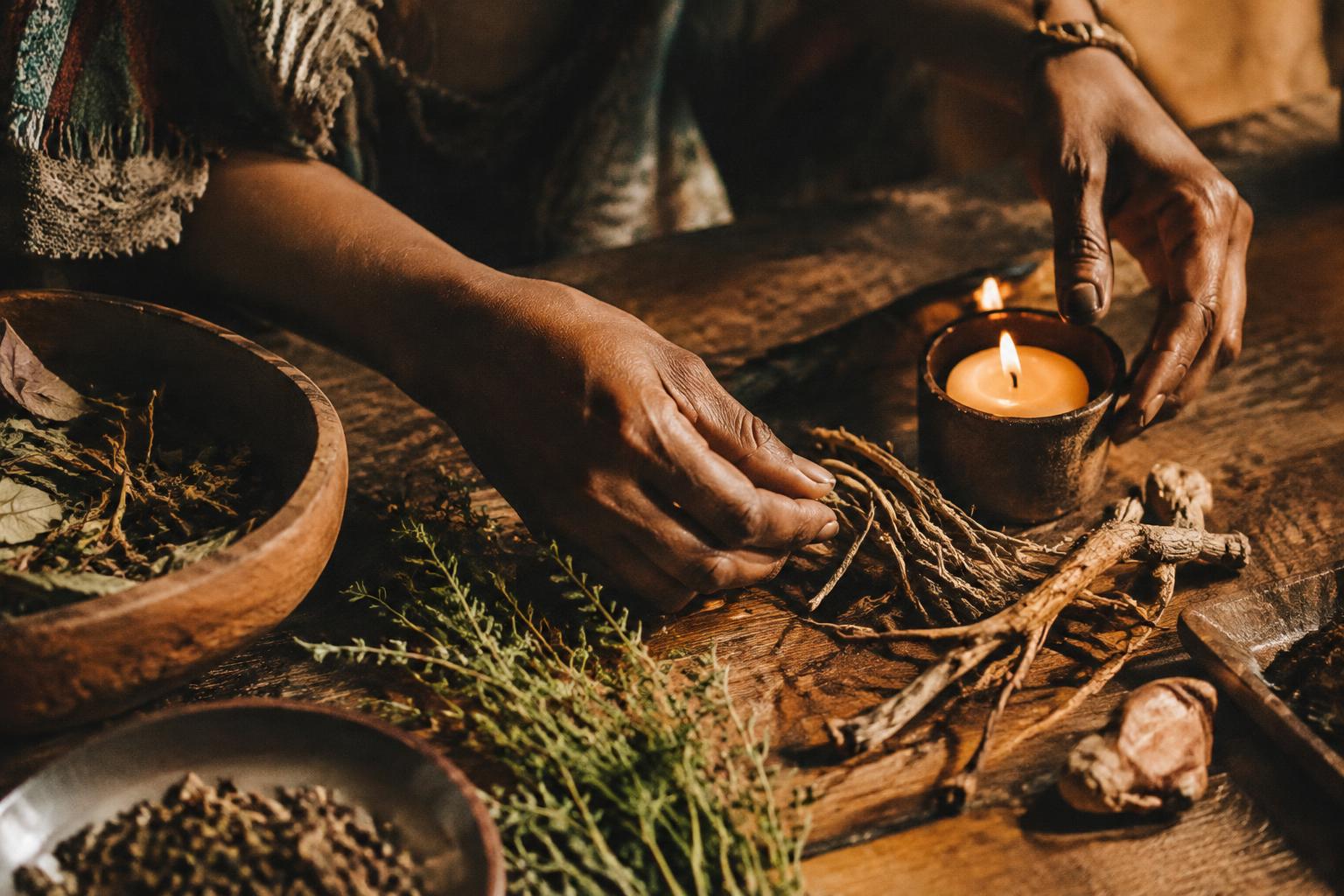
Rootwork points to the use of roots, herbs, and natural materials. When elders say someone "works roots," they're talking about working with the earth itself, whether for healing, protection, or turning a situation around.
Conjure is the act and the art: the intentional working of spiritual power. A conjure worker (or "conjure doctor") was a community figure, someone you went to when you needed help the doctor, the courthouse, or the church couldn't give.
Think of it like this: hoodoo is the tradition, rootwork is a core method, and conjure is the practice of putting it to work.
Why does the distinction matter? Because these words were built by people who had few protections and kept their practices alive anyway. Using them precisely is a way of honoring that survival.